




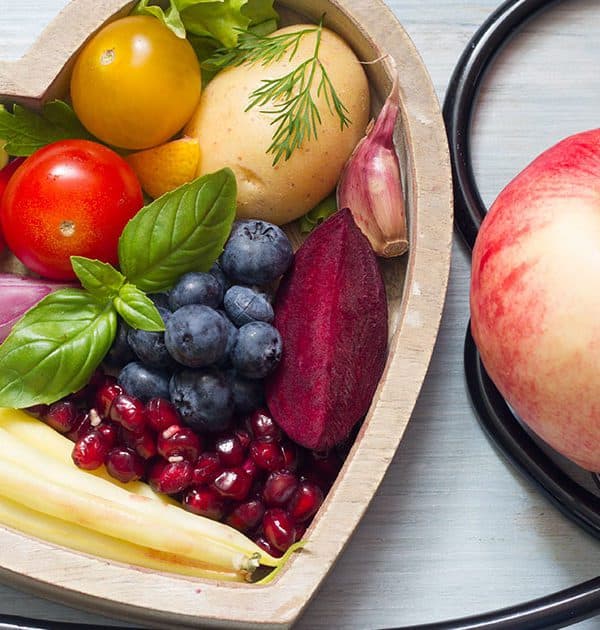
Why Nutrition Matters During Surgery Recovery
Surgery is a difficult topic for many senior citizens to discuss with family members, their doctors, or themselves. Realizing that surgery is needed is a scary thought process and worrying about the recovery process can be stressful for many seniors. The post surgery recovery process can be extremely difficult as you or a loved one is healing. Of course, rest is needed for a speedy recovery after a surgical procedure. But did you know that there are foods that you can eat to encourage your healing process? What are some of the natural elements in foods that can boost healing after surgery?
Antioxidant-Rich Foods for Healing
Eating foods that are rich in antioxidants may help reduce the risk of many diseases. Antioxidants are substances that may protect your cells against any atom, molecule, or ion which may cause serious diseases, such as, certain cancer, or heart disease. So, what does antioxidant food look like? Here are a few foods rich in antioxidants:
- Fruits: Oranges, Strawberries, Kiwi, Mango, and Apricots
- Dark Green Vegetables: Spinach, Broccoli, and Kale
- Nuts: Walnuts, Pecans, Chestnuts, Pistachios, and Peanuts
Protein for Muscle and Immune Support
Eating foods that are rich in protein will help with muscle development, improve your immune system, help with bone metabolism, and carry oxygen throughout your body. Eating foods high in protein has many benefits, aside from a protein shake, what food can you eat that is high in protein?
- Meats: Beef, Chicken, Turkey, and Eggs
- Dairy: Cottage Cheese, Ricotta Cheese, and Yogurt
- Nuts: Pine Nuts, Peanuts, Cashews, and Almonds
- Fish: Cod, Halibut, Salmon, Tilapia, and Shrimp
Water and Hydration for Healing
Drinking water is not just for quenching your thirst. Water is a natural way to flush out impurities, improve circulation and blood flow in your body. Water will also aid in the transport of cell-repairing nutrients to any part of the body that needs to recover. Not a huge fan of water? No worries! There are many things that you can do to take water from ordinary to extraordinary! You can add fruits, herbs, and vegetables to give you added nutrients, and taste.
- Fruits: Cantaloupe, Kiwi, Mango, Honeydew, Peaches, Papaya, Apricots, Apples, Raspberries, Oranges, Pears, Blueberries, Pomegranate, Lemon, and Lime
- Herbs: Thyme, Mint, Basil, and Rosemary
- Vegetables: Cucumber, and Ginger Root
Foods to Avoid After Surgery
Just as some foods speed up healing, others can slow recovery or worsen common side effects like nausea, constipation, and inflammation. While focusing on nutrient-rich meals, try to limit the following:
Fried and greasy foods: Hard to digest and can contribute to inflammation, nausea, and constipation, especially while your body is still processing anesthesia.
Added sugar and sweets: Desserts, candy, and soda offer little nutritional value, promote inflammation, and cause energy crashes rather than steady fuel.
Alcohol: Can interfere with medications, dehydrate the body, and slow healing. Best avoided until your physician says otherwise.
Highly processed foods: Packaged snacks, deli meats, and fast food are high in sodium and preservatives. Excess salt can cause fluid retention and swelling.
Constipating foods: Pain medications slow digestion, so cheese, white bread, and red meat can make constipation worse. Pair meals with fiber and water.
Every recovery is different, so always follow the specific guidance from your surgeon or care team about what to eat and avoid.
Frequently Asked Questions
Fried and greasy foods: Hard to digest and can contribute to inflammation, nausea, and constipation, especially while your body is still processing anesthesia.
Added sugar and sweets: Desserts, candy, and soda offer little nutritional value, promote inflammation, and cause energy crashes rather than steady fuel.
Alcohol: Can interfere with medications, dehydrate the body, and slow healing. Best avoided until your physician says otherwise.
Highly processed foods: Packaged snacks, deli meats, and fast food are high in sodium and preservatives. Excess salt can cause fluid retention and swelling.
Constipating foods: Pain medications slow digestion, so cheese, white bread, and red meat can make constipation worse. Pair meals with fiber and water.
Every recovery is different, so always follow the specific guidance from your surgeon or care team about what to eat and avoid.
What foods help you heal faster after surgery?
Protein-rich foods like chicken, eggs, fish, and Greek yogurt support tissue and muscle repair, while foods high in vitamin C, zinc, and iron, such as citrus, leafy greens, and lean meats, help wounds close and restore energy. Staying well hydrated supports circulation and nutrient delivery to healing tissue.
What is the best protein to eat after surgery?
Lean, easy-to-digest proteins are ideal: skinless chicken, turkey, eggs, fish like salmon and cod, cottage cheese, and Greek yogurt. For seniors with smaller appetites, smaller protein servings spread across the day are often easier than large meals.
What foods should be avoided after surgery?
Limit fried foods, sweets and added sugar, alcohol, and highly processed foods. These can promote inflammation, slow digestion, or interfere with medications. Heavy, greasy foods may also worsen nausea or constipation common after anesthesia.
How long does it take to recover from surgery for seniors?
Recovery time varies by procedure, overall health, and the individual, ranging from a few days to several weeks or longer. Good nutrition, rest, and following your physician’s instructions all support a smoother recovery. Always follow the specific guidance from your surgeon or care team.
Does protein help wounds heal faster?
Yes. Protein provides the amino acids your body uses to rebuild tissue, form new skin, and support immune function, all essential to wound healing. Many seniors need more protein than usual during recovery, so it is worth prioritizing at every meal.
What vitamins are good for healing after surgery?
Vitamin C supports collagen formation and wound healing, vitamin A aids tissue repair, and zinc and iron support immune function and oxygen delivery. Whenever possible, get these from whole foods, and talk to your physician before adding supplements.
Why is hydration important after surgery?
Water supports circulation, helps deliver nutrients to healing tissue, flushes waste, and reduces the risk of constipation, a common side effect of pain medication. Adding fruit, herbs, or cucumber can make it easier to drink enough throughout the day.
Can what I eat reduce swelling after surgery?
Eating anti-inflammatory, antioxidant-rich foods like leafy greens, berries, and foods high in magnesium and potassium may help support the body’s recovery, while limiting salt, sugar, and processed foods can help reduce fluid retention.
Supporting Recovery Through Nutrition
Healing after surgery takes time, rest, and the right nutrition to give your body what it needs to rebuild and recover. Focusing on protein, vitamins, minerals, and plenty of water, while limiting foods that slow you down, can make a meaningful difference in how you or your loved one bounces back.
At Culpepper Place of Olive Branch, we believe in promoting a healthy lifestyle for the residents of our Community. Please contact Culpepper Place of Olive Branch today to find out more!
Magnesium is an important mineral that helps activate certain enzymes that are crucial to the repair of injured tissues, regulating blood pressure, and supporting your immune system. Foods that are rich in magnesium are:
- Beans: Lima Beans, Black Beans, and Natto
- Nuts: Almonds, Brazil Nuts, Cashews, and Pumpkin Seeds
- Seafood: Oysters, Trout, Seaweed, Mussels, and Clams
- Vegetables: Avocado, Beet Greens, Swiss Chard, Okra, and Spinach
Potassium for Fluid Balance
Potassium contributes to many different things when it comes to your health. It helps regulate fluid balance, reduce blood pressure, protect against a stroke and kidney stones while being an important part of your bone and digestive health. Eating foods high in potassium will benefit you in many ways. Foods that are high in potassium are:
- Fruits: Bananas, Cantaloupe, Kiwi, Mango, Honeydew, Peaches, Papaya, and Pomegranate
- Vegetables: Artichokes, Avocados, Beets, Mushrooms, Okra, Sweet Potatoes, Squash, and Tomatoes
- Meats: Pork, Beef, and Chicken
Protein for Muscle and Immune Support
Eating foods that are rich in protein will help with muscle development, improve your immune system, help with bone metabolism, and carry oxygen throughout your body. Eating foods high in protein has many benefits, aside from a protein shake, what food can you eat that is high in protein?
- Meats: Beef, Chicken, Turkey, and Eggs
- Dairy: Cottage Cheese, Ricotta Cheese, and Yogurt
- Nuts: Pine Nuts, Peanuts, Cashews, and Almonds
- Fish: Cod, Halibut, Salmon, Tilapia, and Shrimp
Water and Hydration for Healing
Drinking water is not just for quenching your thirst. Water is a natural way to flush out impurities, improve circulation and blood flow in your body. Water will also aid in the transport of cell-repairing nutrients to any part of the body that needs to recover. Not a huge fan of water? No worries! There are many things that you can do to take water from ordinary to extraordinary! You can add fruits, herbs, and vegetables to give you added nutrients, and taste.
- Fruits: Cantaloupe, Kiwi, Mango, Honeydew, Peaches, Papaya, Apricots, Apples, Raspberries, Oranges, Pears, Blueberries, Pomegranate, Lemon, and Lime
- Herbs: Thyme, Mint, Basil, and Rosemary
- Vegetables: Cucumber, and Ginger Root
Foods to Avoid After Surgery
Just as some foods speed up healing, others can slow recovery or worsen common side effects like nausea, constipation, and inflammation. While focusing on nutrient-rich meals, try to limit the following:
Fried and greasy foods: Hard to digest and can contribute to inflammation, nausea, and constipation, especially while your body is still processing anesthesia.
Added sugar and sweets: Desserts, candy, and soda offer little nutritional value, promote inflammation, and cause energy crashes rather than steady fuel.
Alcohol: Can interfere with medications, dehydrate the body, and slow healing. Best avoided until your physician says otherwise.
Highly processed foods: Packaged snacks, deli meats, and fast food are high in sodium and preservatives. Excess salt can cause fluid retention and swelling.
Constipating foods: Pain medications slow digestion, so cheese, white bread, and red meat can make constipation worse. Pair meals with fiber and water.
Every recovery is different, so always follow the specific guidance from your surgeon or care team about what to eat and avoid.
Frequently Asked Questions
Fried and greasy foods: Hard to digest and can contribute to inflammation, nausea, and constipation, especially while your body is still processing anesthesia.
Added sugar and sweets: Desserts, candy, and soda offer little nutritional value, promote inflammation, and cause energy crashes rather than steady fuel.
Alcohol: Can interfere with medications, dehydrate the body, and slow healing. Best avoided until your physician says otherwise.
Highly processed foods: Packaged snacks, deli meats, and fast food are high in sodium and preservatives. Excess salt can cause fluid retention and swelling.
Constipating foods: Pain medications slow digestion, so cheese, white bread, and red meat can make constipation worse. Pair meals with fiber and water.
Every recovery is different, so always follow the specific guidance from your surgeon or care team about what to eat and avoid.
What foods help you heal faster after surgery?
Protein-rich foods like chicken, eggs, fish, and Greek yogurt support tissue and muscle repair, while foods high in vitamin C, zinc, and iron, such as citrus, leafy greens, and lean meats, help wounds close and restore energy. Staying well hydrated supports circulation and nutrient delivery to healing tissue.
What is the best protein to eat after surgery?
Lean, easy-to-digest proteins are ideal: skinless chicken, turkey, eggs, fish like salmon and cod, cottage cheese, and Greek yogurt. For seniors with smaller appetites, smaller protein servings spread across the day are often easier than large meals.
What foods should be avoided after surgery?
Limit fried foods, sweets and added sugar, alcohol, and highly processed foods. These can promote inflammation, slow digestion, or interfere with medications. Heavy, greasy foods may also worsen nausea or constipation common after anesthesia.
How long does it take to recover from surgery for seniors?
Recovery time varies by procedure, overall health, and the individual, ranging from a few days to several weeks or longer. Good nutrition, rest, and following your physician’s instructions all support a smoother recovery. Always follow the specific guidance from your surgeon or care team.
Does protein help wounds heal faster?
Yes. Protein provides the amino acids your body uses to rebuild tissue, form new skin, and support immune function, all essential to wound healing. Many seniors need more protein than usual during recovery, so it is worth prioritizing at every meal.
What vitamins are good for healing after surgery?
Vitamin C supports collagen formation and wound healing, vitamin A aids tissue repair, and zinc and iron support immune function and oxygen delivery. Whenever possible, get these from whole foods, and talk to your physician before adding supplements.
Why is hydration important after surgery?
Water supports circulation, helps deliver nutrients to healing tissue, flushes waste, and reduces the risk of constipation, a common side effect of pain medication. Adding fruit, herbs, or cucumber can make it easier to drink enough throughout the day.
Can what I eat reduce swelling after surgery?
Eating anti-inflammatory, antioxidant-rich foods like leafy greens, berries, and foods high in magnesium and potassium may help support the body’s recovery, while limiting salt, sugar, and processed foods can help reduce fluid retention.
Supporting Recovery Through Nutrition
Healing after surgery takes time, rest, and the right nutrition to give your body what it needs to rebuild and recover. Focusing on protein, vitamins, minerals, and plenty of water, while limiting foods that slow you down, can make a meaningful difference in how you or your loved one bounces back.
At Culpepper Place of Olive Branch, we believe in promoting a healthy lifestyle for the residents of our Community. Please contact Culpepper Place of Olive Branch today to find out more!
Magnesium is an important mineral that helps activate certain enzymes that are crucial to the repair of injured tissues, regulating blood pressure, and supporting your immune system. Foods that are rich in magnesium are:
- Beans: Lima Beans, Black Beans, and Natto
- Nuts: Almonds, Brazil Nuts, Cashews, and Pumpkin Seeds
- Seafood: Oysters, Trout, Seaweed, Mussels, and Clams
- Vegetables: Avocado, Beet Greens, Swiss Chard, Okra, and Spinach
Potassium for Fluid Balance
Potassium contributes to many different things when it comes to your health. It helps regulate fluid balance, reduce blood pressure, protect against a stroke and kidney stones while being an important part of your bone and digestive health. Eating foods high in potassium will benefit you in many ways. Foods that are high in potassium are:
- Fruits: Bananas, Cantaloupe, Kiwi, Mango, Honeydew, Peaches, Papaya, and Pomegranate
- Vegetables: Artichokes, Avocados, Beets, Mushrooms, Okra, Sweet Potatoes, Squash, and Tomatoes
- Meats: Pork, Beef, and Chicken
Protein for Muscle and Immune Support
Eating foods that are rich in protein will help with muscle development, improve your immune system, help with bone metabolism, and carry oxygen throughout your body. Eating foods high in protein has many benefits, aside from a protein shake, what food can you eat that is high in protein?
- Meats: Beef, Chicken, Turkey, and Eggs
- Dairy: Cottage Cheese, Ricotta Cheese, and Yogurt
- Nuts: Pine Nuts, Peanuts, Cashews, and Almonds
- Fish: Cod, Halibut, Salmon, Tilapia, and Shrimp
Water and Hydration for Healing
Drinking water is not just for quenching your thirst. Water is a natural way to flush out impurities, improve circulation and blood flow in your body. Water will also aid in the transport of cell-repairing nutrients to any part of the body that needs to recover. Not a huge fan of water? No worries! There are many things that you can do to take water from ordinary to extraordinary! You can add fruits, herbs, and vegetables to give you added nutrients, and taste.
- Fruits: Cantaloupe, Kiwi, Mango, Honeydew, Peaches, Papaya, Apricots, Apples, Raspberries, Oranges, Pears, Blueberries, Pomegranate, Lemon, and Lime
- Herbs: Thyme, Mint, Basil, and Rosemary
- Vegetables: Cucumber, and Ginger Root
Foods to Avoid After Surgery
Just as some foods speed up healing, others can slow recovery or worsen common side effects like nausea, constipation, and inflammation. While focusing on nutrient-rich meals, try to limit the following:
Fried and greasy foods: Hard to digest and can contribute to inflammation, nausea, and constipation, especially while your body is still processing anesthesia.
Added sugar and sweets: Desserts, candy, and soda offer little nutritional value, promote inflammation, and cause energy crashes rather than steady fuel.
Alcohol: Can interfere with medications, dehydrate the body, and slow healing. Best avoided until your physician says otherwise.
Highly processed foods: Packaged snacks, deli meats, and fast food are high in sodium and preservatives. Excess salt can cause fluid retention and swelling.
Constipating foods: Pain medications slow digestion, so cheese, white bread, and red meat can make constipation worse. Pair meals with fiber and water.
Every recovery is different, so always follow the specific guidance from your surgeon or care team about what to eat and avoid.
Frequently Asked Questions
Fried and greasy foods: Hard to digest and can contribute to inflammation, nausea, and constipation, especially while your body is still processing anesthesia.
Added sugar and sweets: Desserts, candy, and soda offer little nutritional value, promote inflammation, and cause energy crashes rather than steady fuel.
Alcohol: Can interfere with medications, dehydrate the body, and slow healing. Best avoided until your physician says otherwise.
Highly processed foods: Packaged snacks, deli meats, and fast food are high in sodium and preservatives. Excess salt can cause fluid retention and swelling.
Constipating foods: Pain medications slow digestion, so cheese, white bread, and red meat can make constipation worse. Pair meals with fiber and water.
Every recovery is different, so always follow the specific guidance from your surgeon or care team about what to eat and avoid.
What foods help you heal faster after surgery?
Protein-rich foods like chicken, eggs, fish, and Greek yogurt support tissue and muscle repair, while foods high in vitamin C, zinc, and iron, such as citrus, leafy greens, and lean meats, help wounds close and restore energy. Staying well hydrated supports circulation and nutrient delivery to healing tissue.
What is the best protein to eat after surgery?
Lean, easy-to-digest proteins are ideal: skinless chicken, turkey, eggs, fish like salmon and cod, cottage cheese, and Greek yogurt. For seniors with smaller appetites, smaller protein servings spread across the day are often easier than large meals.
What foods should be avoided after surgery?
Limit fried foods, sweets and added sugar, alcohol, and highly processed foods. These can promote inflammation, slow digestion, or interfere with medications. Heavy, greasy foods may also worsen nausea or constipation common after anesthesia.
How long does it take to recover from surgery for seniors?
Recovery time varies by procedure, overall health, and the individual, ranging from a few days to several weeks or longer. Good nutrition, rest, and following your physician’s instructions all support a smoother recovery. Always follow the specific guidance from your surgeon or care team.
Does protein help wounds heal faster?
Yes. Protein provides the amino acids your body uses to rebuild tissue, form new skin, and support immune function, all essential to wound healing. Many seniors need more protein than usual during recovery, so it is worth prioritizing at every meal.
What vitamins are good for healing after surgery?
Vitamin C supports collagen formation and wound healing, vitamin A aids tissue repair, and zinc and iron support immune function and oxygen delivery. Whenever possible, get these from whole foods, and talk to your physician before adding supplements.
Why is hydration important after surgery?
Water supports circulation, helps deliver nutrients to healing tissue, flushes waste, and reduces the risk of constipation, a common side effect of pain medication. Adding fruit, herbs, or cucumber can make it easier to drink enough throughout the day.
Can what I eat reduce swelling after surgery?
Eating anti-inflammatory, antioxidant-rich foods like leafy greens, berries, and foods high in magnesium and potassium may help support the body’s recovery, while limiting salt, sugar, and processed foods can help reduce fluid retention.
Supporting Recovery Through Nutrition
Healing after surgery takes time, rest, and the right nutrition to give your body what it needs to rebuild and recover. Focusing on protein, vitamins, minerals, and plenty of water, while limiting foods that slow you down, can make a meaningful difference in how you or your loved one bounces back.
At Culpepper Place of Olive Branch, we believe in promoting a healthy lifestyle for the residents of our Community. Please contact Culpepper Place of Olive Branch today to find out more!
Iron is a very important mineral that is needed as it helps transport oxygen throughout your body, and it is used to make some hormones. Oxygen is used within the cells in our body, these cells travel to every organ in our body and help it function properly. These foods are rich in iron:
- Meats: Chicken, Liver, Veal, and Pork
- Seafood: Shrimp, Oysters, Clams, and Fish (Tuna, Cod, and Sardines)
- Nuts: Hazelnuts, Cashews, Almonds, and Peanuts
- Vegetables: Broccoli, Asparagus, Kale, Brussel Sprouts, and Spinach
- Fruits: Dates, Prunes, Figs, Apricots, and Apples
Magnesium for Tissue Repair
Magnesium is an important mineral that helps activate certain enzymes that are crucial to the repair of injured tissues, regulating blood pressure, and supporting your immune system. Foods that are rich in magnesium are:
- Beans: Lima Beans, Black Beans, and Natto
- Nuts: Almonds, Brazil Nuts, Cashews, and Pumpkin Seeds
- Seafood: Oysters, Trout, Seaweed, Mussels, and Clams
- Vegetables: Avocado, Beet Greens, Swiss Chard, Okra, and Spinach
Potassium for Fluid Balance
Potassium contributes to many different things when it comes to your health. It helps regulate fluid balance, reduce blood pressure, protect against a stroke and kidney stones while being an important part of your bone and digestive health. Eating foods high in potassium will benefit you in many ways. Foods that are high in potassium are:
- Fruits: Bananas, Cantaloupe, Kiwi, Mango, Honeydew, Peaches, Papaya, and Pomegranate
- Vegetables: Artichokes, Avocados, Beets, Mushrooms, Okra, Sweet Potatoes, Squash, and Tomatoes
- Meats: Pork, Beef, and Chicken
Protein for Muscle and Immune Support
Eating foods that are rich in protein will help with muscle development, improve your immune system, help with bone metabolism, and carry oxygen throughout your body. Eating foods high in protein has many benefits, aside from a protein shake, what food can you eat that is high in protein?
- Meats: Beef, Chicken, Turkey, and Eggs
- Dairy: Cottage Cheese, Ricotta Cheese, and Yogurt
- Nuts: Pine Nuts, Peanuts, Cashews, and Almonds
- Fish: Cod, Halibut, Salmon, Tilapia, and Shrimp
Water and Hydration for Healing
Drinking water is not just for quenching your thirst. Water is a natural way to flush out impurities, improve circulation and blood flow in your body. Water will also aid in the transport of cell-repairing nutrients to any part of the body that needs to recover. Not a huge fan of water? No worries! There are many things that you can do to take water from ordinary to extraordinary! You can add fruits, herbs, and vegetables to give you added nutrients, and taste.
- Fruits: Cantaloupe, Kiwi, Mango, Honeydew, Peaches, Papaya, Apricots, Apples, Raspberries, Oranges, Pears, Blueberries, Pomegranate, Lemon, and Lime
- Herbs: Thyme, Mint, Basil, and Rosemary
- Vegetables: Cucumber, and Ginger Root
Foods to Avoid After Surgery
Just as some foods speed up healing, others can slow recovery or worsen common side effects like nausea, constipation, and inflammation. While focusing on nutrient-rich meals, try to limit the following:
Fried and greasy foods: Hard to digest and can contribute to inflammation, nausea, and constipation, especially while your body is still processing anesthesia.
Added sugar and sweets: Desserts, candy, and soda offer little nutritional value, promote inflammation, and cause energy crashes rather than steady fuel.
Alcohol: Can interfere with medications, dehydrate the body, and slow healing. Best avoided until your physician says otherwise.
Highly processed foods: Packaged snacks, deli meats, and fast food are high in sodium and preservatives. Excess salt can cause fluid retention and swelling.
Constipating foods: Pain medications slow digestion, so cheese, white bread, and red meat can make constipation worse. Pair meals with fiber and water.
Every recovery is different, so always follow the specific guidance from your surgeon or care team about what to eat and avoid.
Frequently Asked Questions
Fried and greasy foods: Hard to digest and can contribute to inflammation, nausea, and constipation, especially while your body is still processing anesthesia.
Added sugar and sweets: Desserts, candy, and soda offer little nutritional value, promote inflammation, and cause energy crashes rather than steady fuel.
Alcohol: Can interfere with medications, dehydrate the body, and slow healing. Best avoided until your physician says otherwise.
Highly processed foods: Packaged snacks, deli meats, and fast food are high in sodium and preservatives. Excess salt can cause fluid retention and swelling.
Constipating foods: Pain medications slow digestion, so cheese, white bread, and red meat can make constipation worse. Pair meals with fiber and water.
Every recovery is different, so always follow the specific guidance from your surgeon or care team about what to eat and avoid.
What foods help you heal faster after surgery?
Protein-rich foods like chicken, eggs, fish, and Greek yogurt support tissue and muscle repair, while foods high in vitamin C, zinc, and iron, such as citrus, leafy greens, and lean meats, help wounds close and restore energy. Staying well hydrated supports circulation and nutrient delivery to healing tissue.
What is the best protein to eat after surgery?
Lean, easy-to-digest proteins are ideal: skinless chicken, turkey, eggs, fish like salmon and cod, cottage cheese, and Greek yogurt. For seniors with smaller appetites, smaller protein servings spread across the day are often easier than large meals.
What foods should be avoided after surgery?
Limit fried foods, sweets and added sugar, alcohol, and highly processed foods. These can promote inflammation, slow digestion, or interfere with medications. Heavy, greasy foods may also worsen nausea or constipation common after anesthesia.
How long does it take to recover from surgery for seniors?
Recovery time varies by procedure, overall health, and the individual, ranging from a few days to several weeks or longer. Good nutrition, rest, and following your physician’s instructions all support a smoother recovery. Always follow the specific guidance from your surgeon or care team.
Does protein help wounds heal faster?
Yes. Protein provides the amino acids your body uses to rebuild tissue, form new skin, and support immune function, all essential to wound healing. Many seniors need more protein than usual during recovery, so it is worth prioritizing at every meal.
What vitamins are good for healing after surgery?
Vitamin C supports collagen formation and wound healing, vitamin A aids tissue repair, and zinc and iron support immune function and oxygen delivery. Whenever possible, get these from whole foods, and talk to your physician before adding supplements.
Why is hydration important after surgery?
Water supports circulation, helps deliver nutrients to healing tissue, flushes waste, and reduces the risk of constipation, a common side effect of pain medication. Adding fruit, herbs, or cucumber can make it easier to drink enough throughout the day.
Can what I eat reduce swelling after surgery?
Eating anti-inflammatory, antioxidant-rich foods like leafy greens, berries, and foods high in magnesium and potassium may help support the body’s recovery, while limiting salt, sugar, and processed foods can help reduce fluid retention.
Supporting Recovery Through Nutrition
Healing after surgery takes time, rest, and the right nutrition to give your body what it needs to rebuild and recover. Focusing on protein, vitamins, minerals, and plenty of water, while limiting foods that slow you down, can make a meaningful difference in how you or your loved one bounces back.
At Culpepper Place of Olive Branch, we believe in promoting a healthy lifestyle for the residents of our Community. Please contact Culpepper Place of Olive Branch today to find out more!
Fiber for Digestive Health After Surgery
Fiber promotes a healthy gut and helps regulate the movement in your intestines. Fiber is a type of carbohydrate that the body cannot digest as it cannot be broken down into energy use. It is important to eat fiber enriched foods to reduce the risk of heart disease, diabetes, and constipation. Foods that are rich in fiber are:
- Grains: Whole-wheat Spaghetti, Whole-wheat Bread, Barley, and Rye Bread
- Fruits: Raspberries, Oranges, Pear (with skin), Apples (with skin), and Dried Figs
- Vegetables: Green Peas, Turnip Greens, Artichoke, Brussel Sprouts, Corn, and Carrots
- Nuts: Pecans, Pistachios, and Almonds
Iron to Support Oxygen and Energy
Iron is a very important mineral that is needed as it helps transport oxygen throughout your body, and it is used to make some hormones. Oxygen is used within the cells in our body, these cells travel to every organ in our body and help it function properly. These foods are rich in iron:
- Meats: Chicken, Liver, Veal, and Pork
- Seafood: Shrimp, Oysters, Clams, and Fish (Tuna, Cod, and Sardines)
- Nuts: Hazelnuts, Cashews, Almonds, and Peanuts
- Vegetables: Broccoli, Asparagus, Kale, Brussel Sprouts, and Spinach
- Fruits: Dates, Prunes, Figs, Apricots, and Apples
Magnesium for Tissue Repair
Magnesium is an important mineral that helps activate certain enzymes that are crucial to the repair of injured tissues, regulating blood pressure, and supporting your immune system. Foods that are rich in magnesium are:
- Beans: Lima Beans, Black Beans, and Natto
- Nuts: Almonds, Brazil Nuts, Cashews, and Pumpkin Seeds
- Seafood: Oysters, Trout, Seaweed, Mussels, and Clams
- Vegetables: Avocado, Beet Greens, Swiss Chard, Okra, and Spinach
Potassium for Fluid Balance
Potassium contributes to many different things when it comes to your health. It helps regulate fluid balance, reduce blood pressure, protect against a stroke and kidney stones while being an important part of your bone and digestive health. Eating foods high in potassium will benefit you in many ways. Foods that are high in potassium are:
- Fruits: Bananas, Cantaloupe, Kiwi, Mango, Honeydew, Peaches, Papaya, and Pomegranate
- Vegetables: Artichokes, Avocados, Beets, Mushrooms, Okra, Sweet Potatoes, Squash, and Tomatoes
- Meats: Pork, Beef, and Chicken
Protein for Muscle and Immune Support
Eating foods that are rich in protein will help with muscle development, improve your immune system, help with bone metabolism, and carry oxygen throughout your body. Eating foods high in protein has many benefits, aside from a protein shake, what food can you eat that is high in protein?
- Meats: Beef, Chicken, Turkey, and Eggs
- Dairy: Cottage Cheese, Ricotta Cheese, and Yogurt
- Nuts: Pine Nuts, Peanuts, Cashews, and Almonds
- Fish: Cod, Halibut, Salmon, Tilapia, and Shrimp
Water and Hydration for Healing
Drinking water is not just for quenching your thirst. Water is a natural way to flush out impurities, improve circulation and blood flow in your body. Water will also aid in the transport of cell-repairing nutrients to any part of the body that needs to recover. Not a huge fan of water? No worries! There are many things that you can do to take water from ordinary to extraordinary! You can add fruits, herbs, and vegetables to give you added nutrients, and taste.
- Fruits: Cantaloupe, Kiwi, Mango, Honeydew, Peaches, Papaya, Apricots, Apples, Raspberries, Oranges, Pears, Blueberries, Pomegranate, Lemon, and Lime
- Herbs: Thyme, Mint, Basil, and Rosemary
- Vegetables: Cucumber, and Ginger Root
Foods to Avoid After Surgery
Just as some foods speed up healing, others can slow recovery or worsen common side effects like nausea, constipation, and inflammation. While focusing on nutrient-rich meals, try to limit the following:
Fried and greasy foods: Hard to digest and can contribute to inflammation, nausea, and constipation, especially while your body is still processing anesthesia.
Added sugar and sweets: Desserts, candy, and soda offer little nutritional value, promote inflammation, and cause energy crashes rather than steady fuel.
Alcohol: Can interfere with medications, dehydrate the body, and slow healing. Best avoided until your physician says otherwise.
Highly processed foods: Packaged snacks, deli meats, and fast food are high in sodium and preservatives. Excess salt can cause fluid retention and swelling.
Constipating foods: Pain medications slow digestion, so cheese, white bread, and red meat can make constipation worse. Pair meals with fiber and water.
Every recovery is different, so always follow the specific guidance from your surgeon or care team about what to eat and avoid.
Frequently Asked Questions
Fried and greasy foods: Hard to digest and can contribute to inflammation, nausea, and constipation, especially while your body is still processing anesthesia.
Added sugar and sweets: Desserts, candy, and soda offer little nutritional value, promote inflammation, and cause energy crashes rather than steady fuel.
Alcohol: Can interfere with medications, dehydrate the body, and slow healing. Best avoided until your physician says otherwise.
Highly processed foods: Packaged snacks, deli meats, and fast food are high in sodium and preservatives. Excess salt can cause fluid retention and swelling.
Constipating foods: Pain medications slow digestion, so cheese, white bread, and red meat can make constipation worse. Pair meals with fiber and water.
Every recovery is different, so always follow the specific guidance from your surgeon or care team about what to eat and avoid.
What foods help you heal faster after surgery?
Protein-rich foods like chicken, eggs, fish, and Greek yogurt support tissue and muscle repair, while foods high in vitamin C, zinc, and iron, such as citrus, leafy greens, and lean meats, help wounds close and restore energy. Staying well hydrated supports circulation and nutrient delivery to healing tissue.
What is the best protein to eat after surgery?
Lean, easy-to-digest proteins are ideal: skinless chicken, turkey, eggs, fish like salmon and cod, cottage cheese, and Greek yogurt. For seniors with smaller appetites, smaller protein servings spread across the day are often easier than large meals.
What foods should be avoided after surgery?
Limit fried foods, sweets and added sugar, alcohol, and highly processed foods. These can promote inflammation, slow digestion, or interfere with medications. Heavy, greasy foods may also worsen nausea or constipation common after anesthesia.
How long does it take to recover from surgery for seniors?
Recovery time varies by procedure, overall health, and the individual, ranging from a few days to several weeks or longer. Good nutrition, rest, and following your physician’s instructions all support a smoother recovery. Always follow the specific guidance from your surgeon or care team.
Does protein help wounds heal faster?
Yes. Protein provides the amino acids your body uses to rebuild tissue, form new skin, and support immune function, all essential to wound healing. Many seniors need more protein than usual during recovery, so it is worth prioritizing at every meal.
What vitamins are good for healing after surgery?
Vitamin C supports collagen formation and wound healing, vitamin A aids tissue repair, and zinc and iron support immune function and oxygen delivery. Whenever possible, get these from whole foods, and talk to your physician before adding supplements.
Why is hydration important after surgery?
Water supports circulation, helps deliver nutrients to healing tissue, flushes waste, and reduces the risk of constipation, a common side effect of pain medication. Adding fruit, herbs, or cucumber can make it easier to drink enough throughout the day.
Can what I eat reduce swelling after surgery?
Eating anti-inflammatory, antioxidant-rich foods like leafy greens, berries, and foods high in magnesium and potassium may help support the body’s recovery, while limiting salt, sugar, and processed foods can help reduce fluid retention.
Supporting Recovery Through Nutrition
Healing after surgery takes time, rest, and the right nutrition to give your body what it needs to rebuild and recover. Focusing on protein, vitamins, minerals, and plenty of water, while limiting foods that slow you down, can make a meaningful difference in how you or your loved one bounces back.
At Culpepper Place of Olive Branch, we believe in promoting a healthy lifestyle for the residents of our Community. Please contact Culpepper Place of Olive Branch today to find out more!
Carbohydrates for Recovery Energy
Carbohydrates give you energy! There are two types of carbohydrates: simple and complex. Simple carbohydrates can be found in high sugar-based foods, such as desserts, and anything containing white sugar. Complex carbohydrates are the healthier choice and your body benefits most from the complex carbohydrates due to these being digested slower than simplex carbohydrates and they release energy more steadily. Eating foods that are rich in carbohydrates help your brain, central nervous system, heart muscles, and kidneys. Foods that are rich in complex carbohydrates are:
- Grains: Brown Rice, Whole Wheat Bread, and Oats
- Fruit: Raspberries, Plantains, and Bananas
- Vegetables: Green Peas, Pumpkin, Carrots, and Broccoli
Fiber for Digestive Health After Surgery
Fiber promotes a healthy gut and helps regulate the movement in your intestines. Fiber is a type of carbohydrate that the body cannot digest as it cannot be broken down into energy use. It is important to eat fiber enriched foods to reduce the risk of heart disease, diabetes, and constipation. Foods that are rich in fiber are:
- Grains: Whole-wheat Spaghetti, Whole-wheat Bread, Barley, and Rye Bread
- Fruits: Raspberries, Oranges, Pear (with skin), Apples (with skin), and Dried Figs
- Vegetables: Green Peas, Turnip Greens, Artichoke, Brussel Sprouts, Corn, and Carrots
- Nuts: Pecans, Pistachios, and Almonds
Iron to Support Oxygen and Energy
Iron is a very important mineral that is needed as it helps transport oxygen throughout your body, and it is used to make some hormones. Oxygen is used within the cells in our body, these cells travel to every organ in our body and help it function properly. These foods are rich in iron:
- Meats: Chicken, Liver, Veal, and Pork
- Seafood: Shrimp, Oysters, Clams, and Fish (Tuna, Cod, and Sardines)
- Nuts: Hazelnuts, Cashews, Almonds, and Peanuts
- Vegetables: Broccoli, Asparagus, Kale, Brussel Sprouts, and Spinach
- Fruits: Dates, Prunes, Figs, Apricots, and Apples
Magnesium for Tissue Repair
Magnesium is an important mineral that helps activate certain enzymes that are crucial to the repair of injured tissues, regulating blood pressure, and supporting your immune system. Foods that are rich in magnesium are:
- Beans: Lima Beans, Black Beans, and Natto
- Nuts: Almonds, Brazil Nuts, Cashews, and Pumpkin Seeds
- Seafood: Oysters, Trout, Seaweed, Mussels, and Clams
- Vegetables: Avocado, Beet Greens, Swiss Chard, Okra, and Spinach
Potassium for Fluid Balance
Potassium contributes to many different things when it comes to your health. It helps regulate fluid balance, reduce blood pressure, protect against a stroke and kidney stones while being an important part of your bone and digestive health. Eating foods high in potassium will benefit you in many ways. Foods that are high in potassium are:
- Fruits: Bananas, Cantaloupe, Kiwi, Mango, Honeydew, Peaches, Papaya, and Pomegranate
- Vegetables: Artichokes, Avocados, Beets, Mushrooms, Okra, Sweet Potatoes, Squash, and Tomatoes
- Meats: Pork, Beef, and Chicken
Protein for Muscle and Immune Support
Eating foods that are rich in protein will help with muscle development, improve your immune system, help with bone metabolism, and carry oxygen throughout your body. Eating foods high in protein has many benefits, aside from a protein shake, what food can you eat that is high in protein?
- Meats: Beef, Chicken, Turkey, and Eggs
- Dairy: Cottage Cheese, Ricotta Cheese, and Yogurt
- Nuts: Pine Nuts, Peanuts, Cashews, and Almonds
- Fish: Cod, Halibut, Salmon, Tilapia, and Shrimp
Water and Hydration for Healing
Drinking water is not just for quenching your thirst. Water is a natural way to flush out impurities, improve circulation and blood flow in your body. Water will also aid in the transport of cell-repairing nutrients to any part of the body that needs to recover. Not a huge fan of water? No worries! There are many things that you can do to take water from ordinary to extraordinary! You can add fruits, herbs, and vegetables to give you added nutrients, and taste.
- Fruits: Cantaloupe, Kiwi, Mango, Honeydew, Peaches, Papaya, Apricots, Apples, Raspberries, Oranges, Pears, Blueberries, Pomegranate, Lemon, and Lime
- Herbs: Thyme, Mint, Basil, and Rosemary
- Vegetables: Cucumber, and Ginger Root
Foods to Avoid After Surgery
Just as some foods speed up healing, others can slow recovery or worsen common side effects like nausea, constipation, and inflammation. While focusing on nutrient-rich meals, try to limit the following:
Fried and greasy foods: Hard to digest and can contribute to inflammation, nausea, and constipation, especially while your body is still processing anesthesia.
Added sugar and sweets: Desserts, candy, and soda offer little nutritional value, promote inflammation, and cause energy crashes rather than steady fuel.
Alcohol: Can interfere with medications, dehydrate the body, and slow healing. Best avoided until your physician says otherwise.
Highly processed foods: Packaged snacks, deli meats, and fast food are high in sodium and preservatives. Excess salt can cause fluid retention and swelling.
Constipating foods: Pain medications slow digestion, so cheese, white bread, and red meat can make constipation worse. Pair meals with fiber and water.
Every recovery is different, so always follow the specific guidance from your surgeon or care team about what to eat and avoid.
Frequently Asked Questions
Fried and greasy foods: Hard to digest and can contribute to inflammation, nausea, and constipation, especially while your body is still processing anesthesia.
Added sugar and sweets: Desserts, candy, and soda offer little nutritional value, promote inflammation, and cause energy crashes rather than steady fuel.
Alcohol: Can interfere with medications, dehydrate the body, and slow healing. Best avoided until your physician says otherwise.
Highly processed foods: Packaged snacks, deli meats, and fast food are high in sodium and preservatives. Excess salt can cause fluid retention and swelling.
Constipating foods: Pain medications slow digestion, so cheese, white bread, and red meat can make constipation worse. Pair meals with fiber and water.
Every recovery is different, so always follow the specific guidance from your surgeon or care team about what to eat and avoid.
What foods help you heal faster after surgery?
Protein-rich foods like chicken, eggs, fish, and Greek yogurt support tissue and muscle repair, while foods high in vitamin C, zinc, and iron, such as citrus, leafy greens, and lean meats, help wounds close and restore energy. Staying well hydrated supports circulation and nutrient delivery to healing tissue.
What is the best protein to eat after surgery?
Lean, easy-to-digest proteins are ideal: skinless chicken, turkey, eggs, fish like salmon and cod, cottage cheese, and Greek yogurt. For seniors with smaller appetites, smaller protein servings spread across the day are often easier than large meals.
What foods should be avoided after surgery?
Limit fried foods, sweets and added sugar, alcohol, and highly processed foods. These can promote inflammation, slow digestion, or interfere with medications. Heavy, greasy foods may also worsen nausea or constipation common after anesthesia.
How long does it take to recover from surgery for seniors?
Recovery time varies by procedure, overall health, and the individual, ranging from a few days to several weeks or longer. Good nutrition, rest, and following your physician’s instructions all support a smoother recovery. Always follow the specific guidance from your surgeon or care team.
Does protein help wounds heal faster?
Yes. Protein provides the amino acids your body uses to rebuild tissue, form new skin, and support immune function, all essential to wound healing. Many seniors need more protein than usual during recovery, so it is worth prioritizing at every meal.
What vitamins are good for healing after surgery?
Vitamin C supports collagen formation and wound healing, vitamin A aids tissue repair, and zinc and iron support immune function and oxygen delivery. Whenever possible, get these from whole foods, and talk to your physician before adding supplements.
Why is hydration important after surgery?
Water supports circulation, helps deliver nutrients to healing tissue, flushes waste, and reduces the risk of constipation, a common side effect of pain medication. Adding fruit, herbs, or cucumber can make it easier to drink enough throughout the day.
Can what I eat reduce swelling after surgery?
Eating anti-inflammatory, antioxidant-rich foods like leafy greens, berries, and foods high in magnesium and potassium may help support the body’s recovery, while limiting salt, sugar, and processed foods can help reduce fluid retention.
Supporting Recovery Through Nutrition
Healing after surgery takes time, rest, and the right nutrition to give your body what it needs to rebuild and recover. Focusing on protein, vitamins, minerals, and plenty of water, while limiting foods that slow you down, can make a meaningful difference in how you or your loved one bounces back.
At Culpepper Place of Olive Branch, we believe in promoting a healthy lifestyle for the residents of our Community. Please contact Culpepper Place of Olive Branch today to find out more!
Calcium for Bone and Muscle Recovery
Bones are not the only things that benefit from calcium-rich foods. Your heart, muscles, and nerves also need calcium to function properly. Foods that are enriched with calcium are:
- Dairy: Cheese, Yogurt, and Milk
- Meats: Sardines, Eggs, and Tofu
- Nuts: Almonds, Roasted Peanuts, and Soya Bean Drink
- Fruits: Dried Figs, Dried Apricot, and Raisins
- Vegetables Cooked: Broccoli, Spinach, and Green Peas
Carbohydrates for Recovery Energy
Carbohydrates give you energy! There are two types of carbohydrates: simple and complex. Simple carbohydrates can be found in high sugar-based foods, such as desserts, and anything containing white sugar. Complex carbohydrates are the healthier choice and your body benefits most from the complex carbohydrates due to these being digested slower than simplex carbohydrates and they release energy more steadily. Eating foods that are rich in carbohydrates help your brain, central nervous system, heart muscles, and kidneys. Foods that are rich in complex carbohydrates are:
- Grains: Brown Rice, Whole Wheat Bread, and Oats
- Fruit: Raspberries, Plantains, and Bananas
- Vegetables: Green Peas, Pumpkin, Carrots, and Broccoli
Fiber for Digestive Health After Surgery
Fiber promotes a healthy gut and helps regulate the movement in your intestines. Fiber is a type of carbohydrate that the body cannot digest as it cannot be broken down into energy use. It is important to eat fiber enriched foods to reduce the risk of heart disease, diabetes, and constipation. Foods that are rich in fiber are:
- Grains: Whole-wheat Spaghetti, Whole-wheat Bread, Barley, and Rye Bread
- Fruits: Raspberries, Oranges, Pear (with skin), Apples (with skin), and Dried Figs
- Vegetables: Green Peas, Turnip Greens, Artichoke, Brussel Sprouts, Corn, and Carrots
- Nuts: Pecans, Pistachios, and Almonds
Iron to Support Oxygen and Energy
Iron is a very important mineral that is needed as it helps transport oxygen throughout your body, and it is used to make some hormones. Oxygen is used within the cells in our body, these cells travel to every organ in our body and help it function properly. These foods are rich in iron:
- Meats: Chicken, Liver, Veal, and Pork
- Seafood: Shrimp, Oysters, Clams, and Fish (Tuna, Cod, and Sardines)
- Nuts: Hazelnuts, Cashews, Almonds, and Peanuts
- Vegetables: Broccoli, Asparagus, Kale, Brussel Sprouts, and Spinach
- Fruits: Dates, Prunes, Figs, Apricots, and Apples
Magnesium for Tissue Repair
Magnesium is an important mineral that helps activate certain enzymes that are crucial to the repair of injured tissues, regulating blood pressure, and supporting your immune system. Foods that are rich in magnesium are:
- Beans: Lima Beans, Black Beans, and Natto
- Nuts: Almonds, Brazil Nuts, Cashews, and Pumpkin Seeds
- Seafood: Oysters, Trout, Seaweed, Mussels, and Clams
- Vegetables: Avocado, Beet Greens, Swiss Chard, Okra, and Spinach
Potassium for Fluid Balance
Potassium contributes to many different things when it comes to your health. It helps regulate fluid balance, reduce blood pressure, protect against a stroke and kidney stones while being an important part of your bone and digestive health. Eating foods high in potassium will benefit you in many ways. Foods that are high in potassium are:
- Fruits: Bananas, Cantaloupe, Kiwi, Mango, Honeydew, Peaches, Papaya, and Pomegranate
- Vegetables: Artichokes, Avocados, Beets, Mushrooms, Okra, Sweet Potatoes, Squash, and Tomatoes
- Meats: Pork, Beef, and Chicken
Protein for Muscle and Immune Support
Eating foods that are rich in protein will help with muscle development, improve your immune system, help with bone metabolism, and carry oxygen throughout your body. Eating foods high in protein has many benefits, aside from a protein shake, what food can you eat that is high in protein?
- Meats: Beef, Chicken, Turkey, and Eggs
- Dairy: Cottage Cheese, Ricotta Cheese, and Yogurt
- Nuts: Pine Nuts, Peanuts, Cashews, and Almonds
- Fish: Cod, Halibut, Salmon, Tilapia, and Shrimp
Water and Hydration for Healing
Drinking water is not just for quenching your thirst. Water is a natural way to flush out impurities, improve circulation and blood flow in your body. Water will also aid in the transport of cell-repairing nutrients to any part of the body that needs to recover. Not a huge fan of water? No worries! There are many things that you can do to take water from ordinary to extraordinary! You can add fruits, herbs, and vegetables to give you added nutrients, and taste.
- Fruits: Cantaloupe, Kiwi, Mango, Honeydew, Peaches, Papaya, Apricots, Apples, Raspberries, Oranges, Pears, Blueberries, Pomegranate, Lemon, and Lime
- Herbs: Thyme, Mint, Basil, and Rosemary
- Vegetables: Cucumber, and Ginger Root
Foods to Avoid After Surgery
Just as some foods speed up healing, others can slow recovery or worsen common side effects like nausea, constipation, and inflammation. While focusing on nutrient-rich meals, try to limit the following:
Fried and greasy foods: Hard to digest and can contribute to inflammation, nausea, and constipation, especially while your body is still processing anesthesia.
Added sugar and sweets: Desserts, candy, and soda offer little nutritional value, promote inflammation, and cause energy crashes rather than steady fuel.
Alcohol: Can interfere with medications, dehydrate the body, and slow healing. Best avoided until your physician says otherwise.
Highly processed foods: Packaged snacks, deli meats, and fast food are high in sodium and preservatives. Excess salt can cause fluid retention and swelling.
Constipating foods: Pain medications slow digestion, so cheese, white bread, and red meat can make constipation worse. Pair meals with fiber and water.
Every recovery is different, so always follow the specific guidance from your surgeon or care team about what to eat and avoid.
Frequently Asked Questions
Fried and greasy foods: Hard to digest and can contribute to inflammation, nausea, and constipation, especially while your body is still processing anesthesia.
Added sugar and sweets: Desserts, candy, and soda offer little nutritional value, promote inflammation, and cause energy crashes rather than steady fuel.
Alcohol: Can interfere with medications, dehydrate the body, and slow healing. Best avoided until your physician says otherwise.
Highly processed foods: Packaged snacks, deli meats, and fast food are high in sodium and preservatives. Excess salt can cause fluid retention and swelling.
Constipating foods: Pain medications slow digestion, so cheese, white bread, and red meat can make constipation worse. Pair meals with fiber and water.
Every recovery is different, so always follow the specific guidance from your surgeon or care team about what to eat and avoid.
What foods help you heal faster after surgery?
Protein-rich foods like chicken, eggs, fish, and Greek yogurt support tissue and muscle repair, while foods high in vitamin C, zinc, and iron, such as citrus, leafy greens, and lean meats, help wounds close and restore energy. Staying well hydrated supports circulation and nutrient delivery to healing tissue.
What is the best protein to eat after surgery?
Lean, easy-to-digest proteins are ideal: skinless chicken, turkey, eggs, fish like salmon and cod, cottage cheese, and Greek yogurt. For seniors with smaller appetites, smaller protein servings spread across the day are often easier than large meals.
What foods should be avoided after surgery?
Limit fried foods, sweets and added sugar, alcohol, and highly processed foods. These can promote inflammation, slow digestion, or interfere with medications. Heavy, greasy foods may also worsen nausea or constipation common after anesthesia.
How long does it take to recover from surgery for seniors?
Recovery time varies by procedure, overall health, and the individual, ranging from a few days to several weeks or longer. Good nutrition, rest, and following your physician’s instructions all support a smoother recovery. Always follow the specific guidance from your surgeon or care team.
Does protein help wounds heal faster?
Yes. Protein provides the amino acids your body uses to rebuild tissue, form new skin, and support immune function, all essential to wound healing. Many seniors need more protein than usual during recovery, so it is worth prioritizing at every meal.
What vitamins are good for healing after surgery?
Vitamin C supports collagen formation and wound healing, vitamin A aids tissue repair, and zinc and iron support immune function and oxygen delivery. Whenever possible, get these from whole foods, and talk to your physician before adding supplements.
Why is hydration important after surgery?
Water supports circulation, helps deliver nutrients to healing tissue, flushes waste, and reduces the risk of constipation, a common side effect of pain medication. Adding fruit, herbs, or cucumber can make it easier to drink enough throughout the day.
Can what I eat reduce swelling after surgery?
Eating anti-inflammatory, antioxidant-rich foods like leafy greens, berries, and foods high in magnesium and potassium may help support the body’s recovery, while limiting salt, sugar, and processed foods can help reduce fluid retention.
Supporting Recovery Through Nutrition
Healing after surgery takes time, rest, and the right nutrition to give your body what it needs to rebuild and recover. Focusing on protein, vitamins, minerals, and plenty of water, while limiting foods that slow you down, can make a meaningful difference in how you or your loved one bounces back.
At Culpepper Place of Olive Branch, we believe in promoting a healthy lifestyle for the residents of our Community. Please contact Culpepper Place of Olive Branch today to find out more!